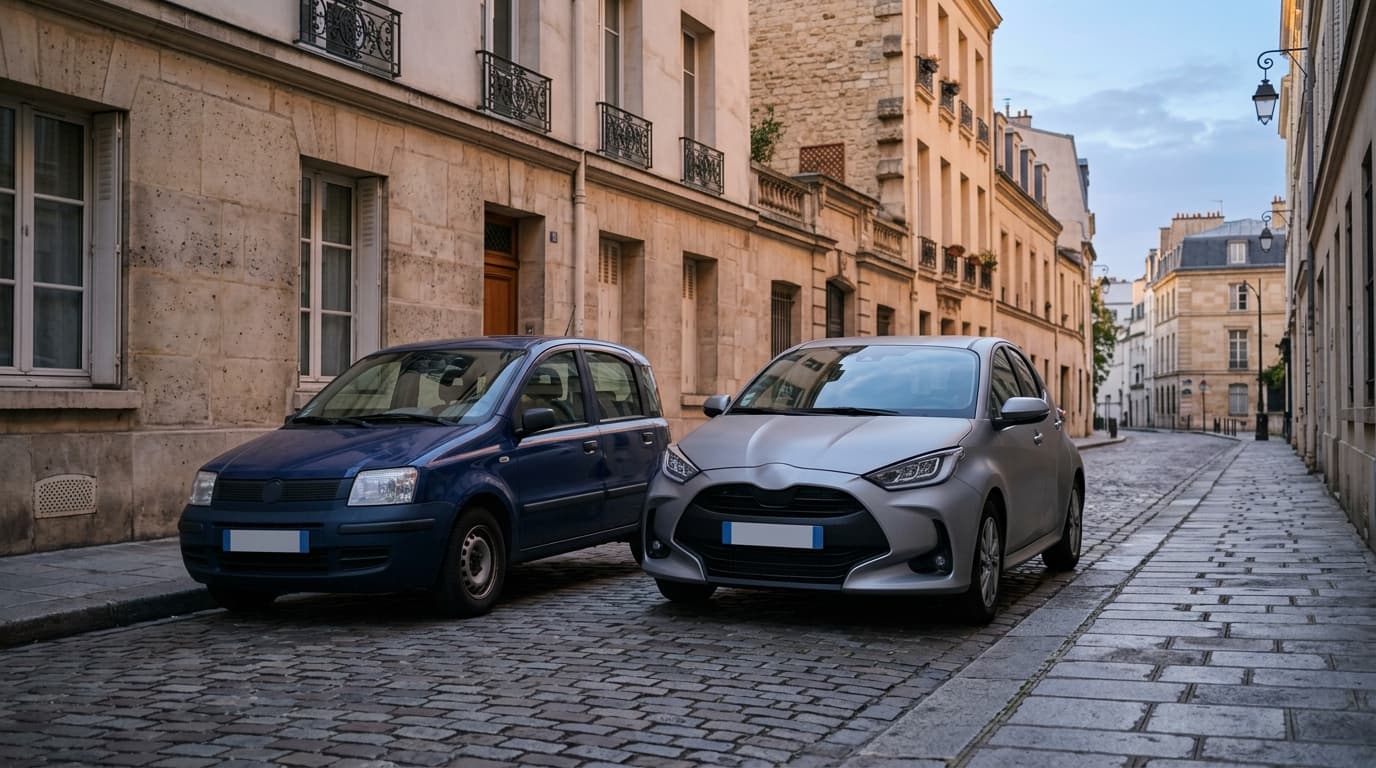
Dacia Sandero or Renault Clio is the city car match-up everyone in Belgium asks about. In short: the Sandero wins on purchase price and insurance, the Clio takes back the lead on comfort, boot and fuel use. The right choice depends mostly on your monthly budget and how you use the car.
Dacia Sandero or Renault Clio: which to choose?
If budget rules, the Dacia Sandero is the most rational city car: it costs around €7,000 less to buy than a Renault Clio and stays cheaper to insure. If you want more comfort, a bigger boot and a more polished finish, the Clio is worth the premium.
The two cars share a good part of their mechanicals, since Dacia belongs to the Renault Group. The difference is not about base reliability, but positioning: the Sandero targets the floor price and the essentials, the Clio plays the more complete city car, better equipped and worth more at resale.
So what does that look like day to day? A Sandero is plenty for urban and suburban use without breaking the bank. A Clio stands out as soon as you drive a lot, load the boot or take the motorway: it is quieter, more stable and more frugal as a hybrid.
| Criterion | Dacia Sandero | Renault Clio |
|---|---|---|
| Starting price (Belgium) | from ~€14,400 | from ~€21,000 (petrol) |
| Most frugal version | Eco-G / TCe petrol | Full hybrid E-Tech |
| Average fuel use | ~5.3 L/100 km | ~4.1 L/100 km (E-Tech) |
| Boot | 328 L | 391 L |
| Insurance | The gentlest | A little higher |
| Best for | tight budget, simplicity | comfort, boot, resale |
What is the real price gap in Belgium?
The entry-level gap is around €7,000: the Sandero starts near €14,400, the Clio closer to €21,000 as a petrol. That is the most decisive difference between these two city cars.
The Sandero remains the cheapest new car on the Belgian market, with deliberately stripped-back entry trims. The Clio opens its range higher, around €21,000 as a petrol TCe and close to €25,000 as an E-Tech hybrid. At comparable trim the gap narrows a little, but the Sandero always keeps several thousand euros of headroom.
Take a concrete case. For a €20,000 budget, you reach a very well-equipped Sandero, or even a raised Sandero Stepway, while you stay on an entry-level Clio. New prices shift with promotions and trims: Le Moniteur Automobile publishes up-to-date figures, worth checking before you buy.
Which one is cheaper to run?
On the monthly budget, the Sandero keeps the edge thanks to gentler insurance and cheap servicing, but the Clio claws back part of the gap at the pump. The real cost of a city car is insurance and servicing, not just the list price.
Insurance favours the Sandero. Its lower value and modest engines reduce the premium, a point that weighs heavily for a young Belgian driver, often taxed on the car's power and value. A recent Clio, pricier and more powerful in higher trims, logically costs a little more to cover.
Fuel use, on the other hand, favours the Clio. A Sandero petrol TCe sits around 5.3 L/100 km, while a Clio E-Tech hybrid drops toward 4.1 L, and often less in town thanks to its electric phases. Over 15,000 km a year, that gap is worth a few hundred euros in fuel. Servicing, however, stays simpler and cheaper on the Sandero, whose mechanicals are deliberately basic. Test-Achats and Le Moniteur Automobile regularly publish running-cost figures that help you decide.
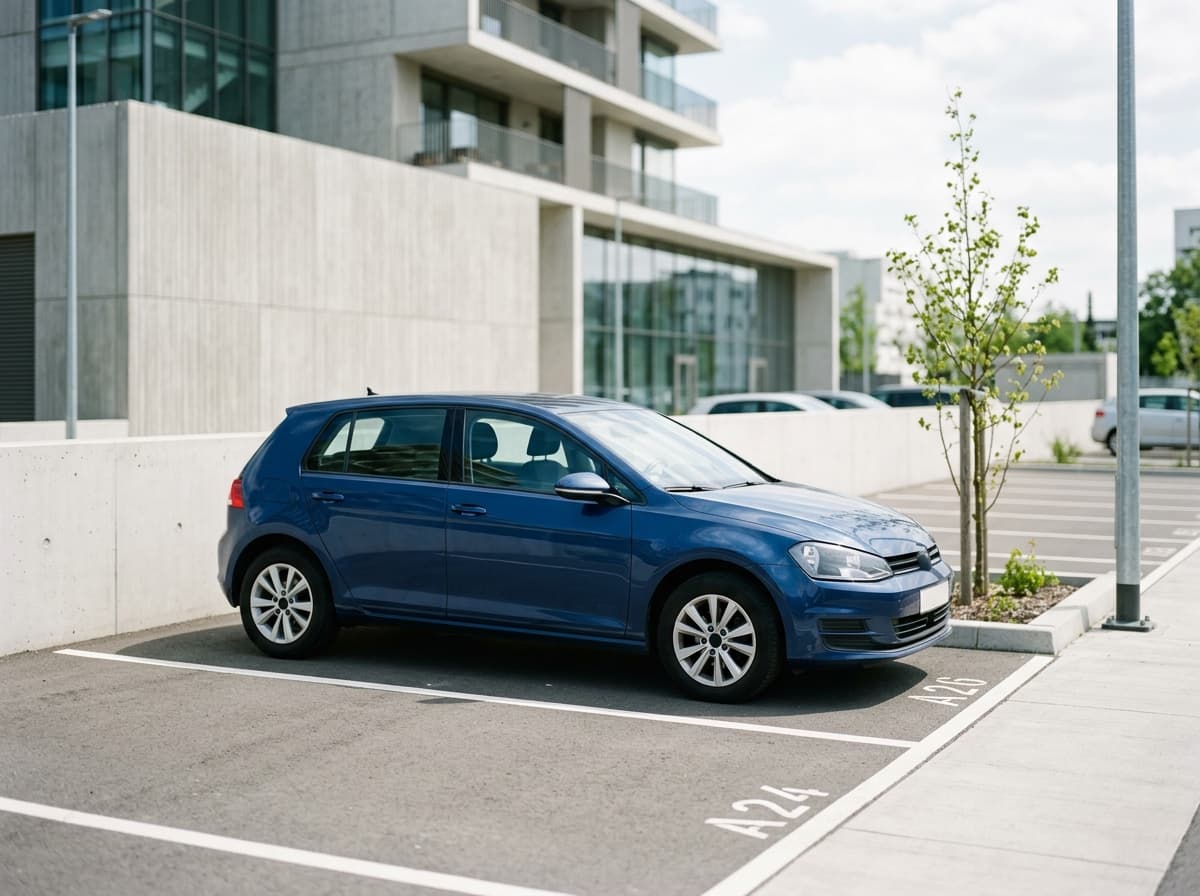
Sandero or Clio: which is nicer to live with day to day?
For comfort and versatility, the Renault Clio takes the lead: bigger boot, more polished finish, better road manners. The Sandero stays pleasant in the city, but clearly plays the essentials card.
On space, the Clio offers 391 litres of boot against 328 for the Sandero, a clear gap as soon as you carry shopping, a pram or luggage. The Clio's dashboard is better finished, its sound insulation superior, and its touchscreen more complete on mid and high trims.
The Sandero does not try to compete on refinement. It offers enough space, a high driving position that's welcome in town, and simple controls. On the motorway, the Clio is more stable and quieter; in dense city traffic, the two are a match for parking and squeezing through. To sort several models on precise criteria, our city car comparator puts them side by side on price, boot and fuel use.
Who is the Dacia Sandero the best choice for?
The Sandero is made for anyone who wants to spend as little as possible without giving up a reliable new car. It's the choice for tight budgets, young drivers and those who drive mostly in the city and its outskirts.
Its appeal comes down to a simple logic: pay to drive, not for image. Floor purchase price, gentle insurance, cheap servicing, slow depreciation that protects resale. For a first car or a second family vehicle, it ticks a lot of boxes without blowing the monthly budget.
It shows its limits if you drive a lot on the motorway, want a premium-feeling finish or the most frugal hybrid. In those cases, the Clio answers better. If you're just starting out behind the wheel, our guide on the best city car for a young driver details how insurance shapes the budget.
Who is the Renault Clio worth the premium for?
The Clio makes sense for anyone who drives a lot, wants comfort and plans to resell in a few years. Its higher purchase price is partly recovered through lower fuel use and better residual value.
It suits drivers who mix city and road trips, regularly carry passengers or luggage, or spend a lot of time at the wheel. The E-Tech hybrid version in particular turns urban trips into saved fuel and makes the car noticeably more frugal than a petrol Sandero.
Comfort and finish do the rest: the Clio is quieter, better equipped and more pleasant on long trips. For those still torn between city car profiles, our ranking of the best city cars details each model, and the city car quiz helps decide in a few questions.
To sum up, between the Dacia Sandero and the Renault Clio there's no wrong choice, just two different priorities. The Sandero for the lowest budget and simplicity, the Clio for comfort, boot and resale. Look at your mileage and monthly budget first: they almost always decide faster than the spec sheet.
Citadines pas chères comparator
Compare all citadines pas chères side by side.
Compare now →
Frequently asked questions
Léa suit le marché des petites voitures depuis 2014. Basée à Liège, elle roule au quotidien en citadine et passe ses week-ends à comparer autonomies réelles, coffres et coûts d’entretien. Elle teste surtout ce qu’on utilise vraiment en ville : créneaux serrés, recharge en copropriété, trajets courts et budget assurance jeune conducteur.